Retro Animal Clip Art: Timeless Charm for Modern Designs
More Than Just Cute Pictures
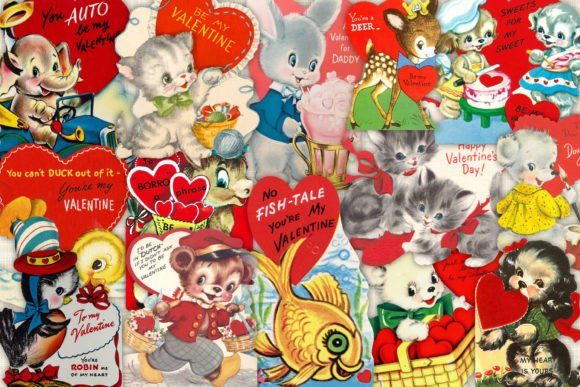
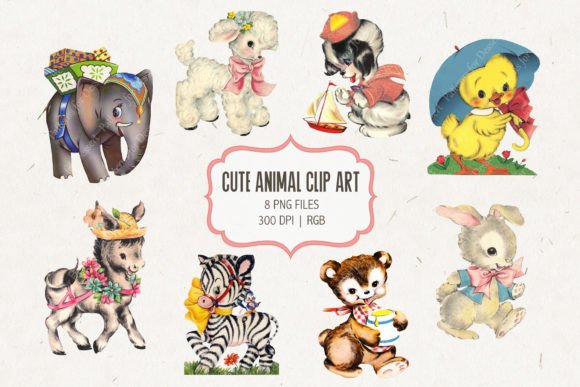
When you think of Retro Animal Clip Art, you might initially picture simple, cute drawings. However, this particular collection from Patterns For Dessert offers something with significant depth and character. These aren't generic illustrations; they are eight charming animals rendered in the authentic, iconic style of the 1950s. The visual language is unmistakable: think of the gentle curves, the soft yet bold outlines, and the warm, slightly muted color palette that defined mid-century advertising and children's book illustration. Each animal—from a friendly fox to a wise owl—possesses a distinct personality. They aren't overly detailed or photorealistic; instead, they rely on stylized forms and expressive, simple features to convey warmth and approachability. This is the power of well-executed Retro Animal Clip Art. It taps into a sense of nostalgia and comfort, making it a powerful design asset for projects aiming to connect on an emotional level.
The Anatomy of a 1950s Aesthetic
The charm of this set lies in its adherence to a specific visual era. The 1950s style is characterized by a particular kind of optimism and simplicity. In this Retro Animal Clip Art, you'll see that reflected in the rounded shapes, the lack of harsh angles, and the playful poses. The illustrations feel hand-drawn, which adds a layer of authenticity and human touch that purely digital art often lacks. They function much like a display font or a script font—they are designed to catch the eye and set a mood first, with fine details coming second. The high resolution (300 DPI, approximately 10" high) ensures these aren't just web-quality doodles. They are robust design assets built for serious application, from large-format printing to detailed digital work.
Practical Applications: Where This Clip Art Truly Shines
Understanding the style is one thing; knowing how to deploy it effectively is another. This is where the Retro Animal Clip Art moves from being a pretty collection to a functional tool in your creative arsenal. Its versatility is its greatest strength.
- Branding & Identity: For a small business, especially in the pet, bakery, boutique, or family-oriented space, these animals can become the cornerstone of a brand identity. Imagine one of these charming creatures as the mascot for a local pet groomer or the central illustration on a artisanal jam label. It immediately communicates a friendly, approachable, and trustworthy vibe. It’s a shortcut to brand recognition without needing a complex logo design.
- Marketing & Social Media: In the fast-scrolling world of social media graphics, a distinctive visual element stops thumbs. These illustrations are perfect for creating consistent, eye-catching Instagram stories, Pinterest pins, or Facebook post templates. They can add a layer of personality to otherwise standard promotional graphics, making your content more memorable and shareable.
- Publishing & Editorial Design: Think beyond the obvious. In editorial design, these animals could serve as delightful chapter headers in a cookbook, spot illustrations in a magazine feature about vintage style, or charming icons in a children's educational workbook. They bring a human, story-telling quality to the page.
- Packaging Design: The tactile nature of packaging pairs perfectly with this aesthetic. Use them on product labels, box designs, or thank-you cards for an e-commerce business. The Retro Animal Clip Art style suggests care, quality, and a personal touch—key factors in unboxing experiences.
- Personal & Craft Projects: For the hobbyist or crafter, the applications are endless. Create custom party invitations, design a nursery wall print, personalize stationery, or craft unique scrapbooking elements. The PNG files with transparent backgrounds make them incredibly easy to layer and integrate into any project.
Integrating Vintage Charm into a Modern Workflow
Simply having great design assets isn't enough; integrating them thoughtfully is key. Here’s how to ensure your use of the Retro Animal Clip Art elevates rather than clutters your work.
Pairing with Typography
This is crucial. A 1950s illustration demands typography that complements, not fights, its style. Avoid ultra-modern, geometric sans serif font choices, which can feel jarring. Instead, consider:
- A Clean Serif: A timeless serif font like Garamond or a slab serif like Rockwell can provide excellent contrast and readability, grounding the playful illustration.
- A Friendly Sans Serif: Not all sans serifs are cold. A rounded, humanist sans serif font like Nunito or Comfortaa can echo the soft curves of the animals.
- A Period-Appropriate Script: A script font or handwritten font with a mid-century flair can be stunning for headlines or logos, but use it sparingly for legibility. Always pair it with a very simple body font.
The goal is visual hierarchy. The illustration should be a focal point, supported by clear, readable text. Test your font pairing by placing the text next to an animal illustration at the intended size. Does one overpower the other? Is the overall feel cohesive?
Evaluating Project Fit and Licensing
Before you dive in, ask: does this aesthetic serve my project's goal? For a tech startup's sleek app interface, probably not. For a local bakery's website, absolutely. The Retro Animal Clip Art is a creative font equivalent in the illustration world—it has a strong personality. Use it where that personality adds value.
Furthermore, as with any premium font or asset, understand the license. The set from Patterns For Dessert is provided for commercial use, which is essential for entrepreneurs and designers. This clarity allows you to use the work confidently in client projects or commercial products, ensuring your brand consistency and professionalism are backed by proper authorization.
In a digital landscape saturated with sterile, generic imagery, a thoughtfully chosen set like this Retro Animal Clip Art offers a breath of fresh air. It’s not just decoration; it’s a tool for storytelling, for building a distinct brand identity, and for adding a layer of authentic, human warmth to your communications. By understanding its style and applying it with intention, you can transform simple projects into memorable experiences.