Bringing the Wild to Your Canvas: Watercolor Safari Animal Clipart
The Organic Appeal of Hand-Painted Digital Assets
There is an unmistakable warmth to watercolor art that digital vectors often struggle to replicate. It’s the unpredictable bleed of pigment, the soft gradients, and the textural grain that make watercolor designs feel human and authentic. When you pair that artistic medium with the majesty of safari animals, you get a collection that commands attention while maintaining a gentle, artistic touch. Watercolor Safari Animal Clipart is more than just a set of images; it is a curated design system that bridges the gap between raw nature and polished graphic design.
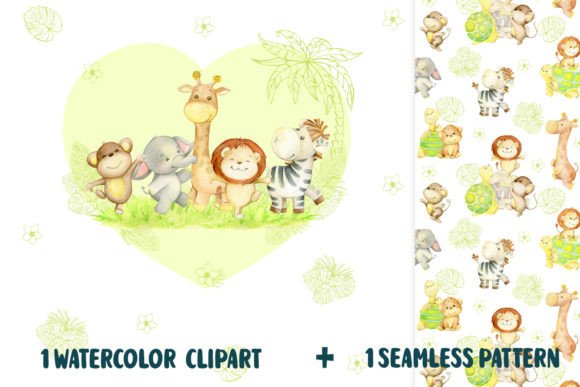
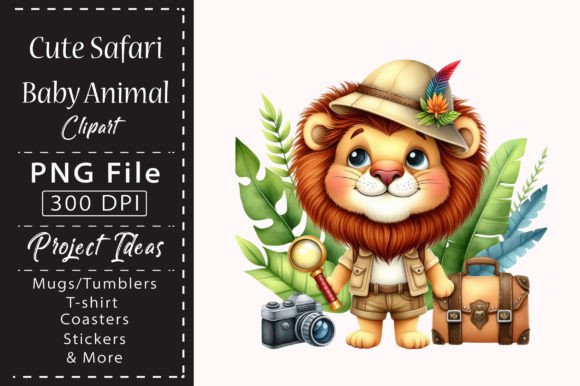
These illustrations capture the essence of the animal kingdom—lions, elephants, giraffes, and zebras—through a lens of artistic expression. Unlike flat, geometric vector graphics, these elements carry depth. You can see the brushstrokes, the layering of colors, and the slight imperfections that give the artwork character. This "hand-made" aesthetic is trending heavily in modern branding because it builds an immediate emotional connection with the viewer. It feels personal, bespoke, and high-end. For the creative professional, this means you can add a layer of sophistication to your projects without needing to pick up a paintbrush yourself.
Technical Precision for Professional Results
While the aesthetic is organic, the technical execution is strictly professional. A common hurdle in using raster-based artwork is resolution. Low-quality images pixelate the moment you try to scale them for print, ruining the illusion of authenticity. However, these specific design assets are built on a robust technical foundation. Drawn onto a 12x12 inch canvas at 300 DPI (3600x3600 pixels), these files are prepared for high-quality reproduction.
This high resolution ensures that the texture of the watercolor paper and the fluidity of the paint remain crisp, whether you are using the clipart for a small sticker or a large poster. Furthermore, the delivery format—PNG files with transparent backgrounds—is the industry standard for versatility. It allows you to layer these animals over textured backgrounds, combine them with typography, or place them on colored products without the hassle of "white box" masking. This technical reliability is crucial for anyone operating in the commercial font and design space where production quality cannot be compromised.
Strategic Applications for Designers and Entrepreneurs
Understanding the file specifications is one thing; knowing how to deploy them effectively is another. The versatility of Watercolor Safari Animal Clipart makes it a powerhouse asset across various industries. The key is to match the visual weight of the illustrations with the context of the project.
Branding and Packaging
For small business owners, particularly those in the baby product, stationery, or organic goods sectors, these illustrations offer a distinct competitive advantage. A safari theme is timeless, but watercolor rendering makes it feel modern and premium. Consider using these assets in packaging design. A watercolor lion on a baby shower invitation box or an elephant on a natural soap label instantly communicates quality and care. In logo design, while you wouldn't use the clipart as the logo itself due to scalability issues, it serves as a brilliant accompanying brand mark or watermark, helping to build a cohesive brand identity.
Digital and Editorial Design
In the digital realm, attention is currency. Social media graphics often suffer from looking too sterile or generic. Incorporating watercolor elements breaks the grid and stops the scroll. Bloggers and content creators can use these images to create unique headers, divider lines, or featured images that stand out against the standard stock photography. For editorial design, such as magazine layouts or educational books, these clipart files work beautifully as spot illustrations. They add visual interest without overwhelming the text, helping to maintain a clean visual hierarchy while keeping the reader engaged.
Personalized Products and Merchandise
For the print-on-demand entrepreneur, the high DPI of these files opens up opportunities for physical merchandise. Because the resolution supports large-scale printing, you can confidently apply these designs to tote bags, t-shirts, or wall art prints. The transparent background allows for seamless integration into product mockups. If you are designing nursery art, the soft, non-aggressive nature of watercolor animals creates a calming environment, which is a major selling point for parents decorating a child's room.
Mastering Visual Hierarchy with Illustrations
One of the most overlooked aspects of using design assets like clipart is how they influence the reading experience. Visual hierarchy isn't just about making headers big; it's about guiding the eye. Watercolor safari animals have a natural "pull." They are organic, colorful, and distinct. If placed incorrectly, they can steal focus from your Call to Action (CTA) or main message.
However, when used with intention, they enhance readability. For example, using a smaller animal illustration as a bullet point or a list marker can make a boring list of features feel dynamic. In web design, these images can act as visual anchors, breaking up long paragraphs of text and giving the reader’s eyes a resting point. The key is to treat these illustrations as supporting actors to your typography, not the main star, unless you are designing a poster where the art is the message.
Practical Guide to Implementation and Pairing
To get the most out of Watercolor Safari Animal Clipart, you need to consider the broader design context. It is rarely enough to simply drop an image onto a canvas; you must integrate it into a cohesive system.
Typography Pairing
The style of the clipart dictates the style of the text. Because watercolor is organic and slightly irregular, pairing it with a rigid, ultra-thin geometric sans serif font can sometimes create a jarring contrast. Instead, look for pairings that share a similar personality.
- Script and Handwritten Fonts: A flowing script font or a casual handwritten font mirrors the brushstroke nature of the watercolor. This is ideal for invitations, greeting cards, and boutique branding.
- Rounded Sans Serifs: If you want a cleaner look, choose a sans serif font with softer, rounded edges. This maintains modern readability while respecting the softness of the illustration.
- Classic Serifs: For a more editorial or "National Geographic" vibe, pair the safari animals with a strong serif font. The contrast between the traditional typography and the artistic illustration creates a sophisticated tension.
Evaluating Project Fit and Licensing
Before finalizing your design, always test the asset in its intended environment. Place the clipart on your background color to ensure the contrast is sufficient. Check how the transparency looks when overlaid on complex textures. Because this is a digital download, remember that colors may vary between your screen and the final printer. It is always wise to print a test strip before committing to a large batch run, especially for physical products.
Finally, as a professional courtesy and a necessity, always review the licensing of your premium font and clipart bundles. While these assets are provided for creative use, ensuring you have the appropriate rights for commercial resale (like on t-shirts or mugs) protects your business. Supporting creators, such as the artist behind LibbyWishes, ensures a continued supply of high-quality, unique assets that keep your work looking fresh and professional. By integrating these high-quality watercolor elements, you elevate your work from simple digital assembly to genuine graphic artistry.