12 Different Animal Footprints Clipart for Creative Projects
Finding the right design assets can often feel like searching for a specific track in the wilderness. You know what you need, but locating a high-quality, versatile element that fits your project’s tone is the real challenge. This is where a well-curated set of graphics proves its worth. The 12 Different Animal Footprints Clipart collection offers a practical and visually engaging solution for a wide array of creative needs. It’s a straightforward toolkit designed for immediate application, saving you time and elevating your work with authentic, nature-inspired detail.
A Versatile Collection for Modern Designers
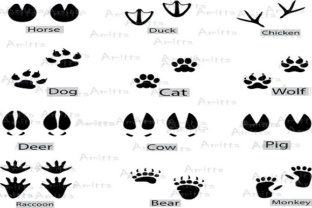
At its core, this set provides twelve distinct animal footprint illustrations. You’ll find tracks from common woodland and farm animals: deer, cow, bear, wolf, rabbit, horse, chicken, duck, dog, cat, raccoon, pig, and monkey. Each illustration is crafted with clear, recognizable detail, capturing the unique personality of each animal’s print. The style is clean and illustrative, striking a balance between realism and graphic simplicity. This makes the clipart highly adaptable—it can feel rustic and natural for outdoor brands or playful and charming for children’s content.
The real value lies in its delivery format. Each footprint is provided in three key formats: a high-resolution PNG with a transparent background, a PNG with a white background, and an SVG file. This trifecta covers virtually every digital and print scenario you’ll encounter. The transparent PNGs are perfect for layering over photos or complex backgrounds in social media graphics or web design. The white-background PNGs work seamlessly for documents, presentations, or quick mockups. The SVG files are the gold standard for scalability, allowing you to resize the footprints to any dimension—from a tiny favicon to a large banner—without any loss of quality. This makes the set a true premium font-style asset, but for graphic elements.
Practical Applications Across Industries
How you use these footprints depends entirely on your project’s goals. For a blogger writing about hiking, conservation, or wildlife, these graphics can visually reinforce content, breaking up text and adding thematic depth. A children’s book publisher might use them to create interactive elements or decorative borders. For entrepreneurs and small business owners, the applications are equally broad. A pet grooming service could incorporate dog and cat tracks into their logo design or appointment cards. A farm-to-table restaurant might use cow, pig, and chicken tracks on their menu or signage to emphasize their rustic, authentic brand identity.
Marketers and content creators will find these assets particularly useful for seasonal campaigns. A fall promotion could feature deer tracks leading to a product, while a summer adventure theme might use bear or wolf prints. The consistency of the set—using the same stylistic approach for all twelve animals—ensures visual harmony across a campaign, which is a cornerstone of professional branding. In packaging design, a subtle raccoon or monkey footprint could become a memorable brand mark, adding a touch of whimsy or curiosity that engages the customer.
Integrating Footprints into Your Visual Language
Using clipart effectively is about more than just dropping an image onto a page. It’s about integrating it into your overall visual hierarchy and brand perception. These animal footprints can serve multiple roles. They can act as visual cues, guiding the viewer’s eye along a path in an infographic or across a webpage. They can function as decorative accents, adding texture and interest to a poster or flyer without overwhelming the main message. In some cases, they can even become symbolic elements within a logo, representing traits like freedom (bird prints), loyalty (dog prints), or adventure (bear prints).
When selecting which footprint to use, consider the personality you wish to convey. A wolf track might suggest wildness and instinct, while a rabbit print could imply gentleness or speed. The horse and cow tracks lean towards themes of work, heritage, and the countryside. For a more exotic or playful brand, the monkey footprint offers a distinctive shape. Always test the footprint in context. Place it next to your chosen serif font or sans serif font to ensure stylistic compatibility. Does it complement your typography or compete with it? The goal is cohesion, where every element—text and image—speaks the same design language.
Choosing and Using Your Design Assets Wisely
Before you start, take a moment to evaluate your project’s specific needs. Are you creating a one-off social media post, or is this for a long-term brand asset like a logo? The included SVG files are essential for any permanent branding work, as they allow for infinite scaling and easy color customization in vector editing software. For digital projects like websites or email newsletters, the transparent PNGs offer the most flexibility.
Think about font pairing in a broader sense. Just as you would pair a script font with a clean modern typography base, you can pair these illustrative footprints with your text elements. A bold, display font headline paired with a row of delicate rabbit tracks can create a compelling visual contrast. For consistency, use the same animal’s footprint throughout a single project or campaign to build a recognizable visual motif.
Finally, remember the licensing. This set is designed for commercial use, which is a critical consideration for any professional. Always review the terms to ensure your intended application is covered, whether it’s for client work, merchandise, or digital products. By treating these clipart illustrations as integral design assets—not just decorative afterthoughts—you can elevate the professionalism and storytelling of your work, creating a more engaging and memorable experience for your audience.